
The Shifting Power Structure of Asian Cricket: ACC's Path Through the Triangle of Authority, Money and Competition
एशियाई क्रिकेट की शक्ति-संरचना तीन स्तंभों पर टिकी है: बीसीसीआई की वित्तीय प्रधानता, भारत-पाकिस्तान के बीच राजनीतिक तनाव से जन्मे 'हाइब्रिड मॉडल' जैसे समझौते, और नेपाल, ओमान, यूएई व अफ़ग़ानिस्तान जैसे उभरते बोर्डों की संसाधन-संबंधी कमज़ोरी। एशियाई क्रिकेट परिषद (स्थापना 1983, मुख्यालय कुआलालंपुर) का सबसे बड़ा उत्पाद एशिया कप है, जिसका राजस्व काफ़ी हद तक भारत-पाक मुक़ाबले की संभावना पर निर्भर है। फ्रेंचाइजी लीगों के विस्तार ने कैलेंडर को घना कर दिया है और अंतरराष्ट्रीय विंडो सिकुड़ा दी है। सुधार के लिए ज़रूरी है: एसीसी में पारदर्शी निर्णय-प्रक्रिया, स्थायी कैलेंडर ढाँचा, उभरते सदस्यों के लिए अलग विकास-कोष, महिला क्रिकेट के लिए समर्पित विंडो और समान प्रसारण मानक, तथा राजनीतिक तनाव के बावजूद खेल के रास्ते खुले रखने की पूर्व-निर्धारित नीति।
Asian cricket today is the most densely populated, wealthiest and simultaneously most unequal part of the global sporting map. The continent holds as much cricket talent as it does diversity — and as much complex politics. On one side stands the Board of Control for Cricket in India (BCCI), whose financial weight sits at the centre of the global cricket economy; on another, the Pakistan Cricket Board (PCB), for whom cricket is not merely a sport but a vehicle of national identity; and on a third, boards such as Nepal, Oman, the United Arab Emirates and Afghanistan, each carving out space in the mainstream in its own way. Between them all sits the Asian Cricket Council (ACC) — an institution four decades old whose role is now questioned more than ever.
This report is not coverage of a single match, series or controversy. It examines the framework in which Asian cricket breathes — who decides, whose side carries weight, where money comes from and where it goes, and how much room the emerging cricket nations actually have.
A four-decade-old body, a changing role
The ACC was founded in 2026 and is headquartered in Kuala Lumpur. Organising continental cricket was a radical idea at the time. The aim was clear: create matches among Asian nations so that teams did not depend solely on major tours and World Cups. The Asia Cup is the product of that thinking.
Four decades on, the circumstances have changed. In 2026 the biggest forces in Asian cricket were India and Pakistan, and their contest was the tournament's central attraction. Today the picture is different. India's cricket economy has reached a level where the global financial architecture depends on it. Sri Lanka, Bangladesh and Afghanistan have established themselves. Countries such as Nepal have built large audiences. And franchise cricket in the Gulf has reshaped the entire supply chain.
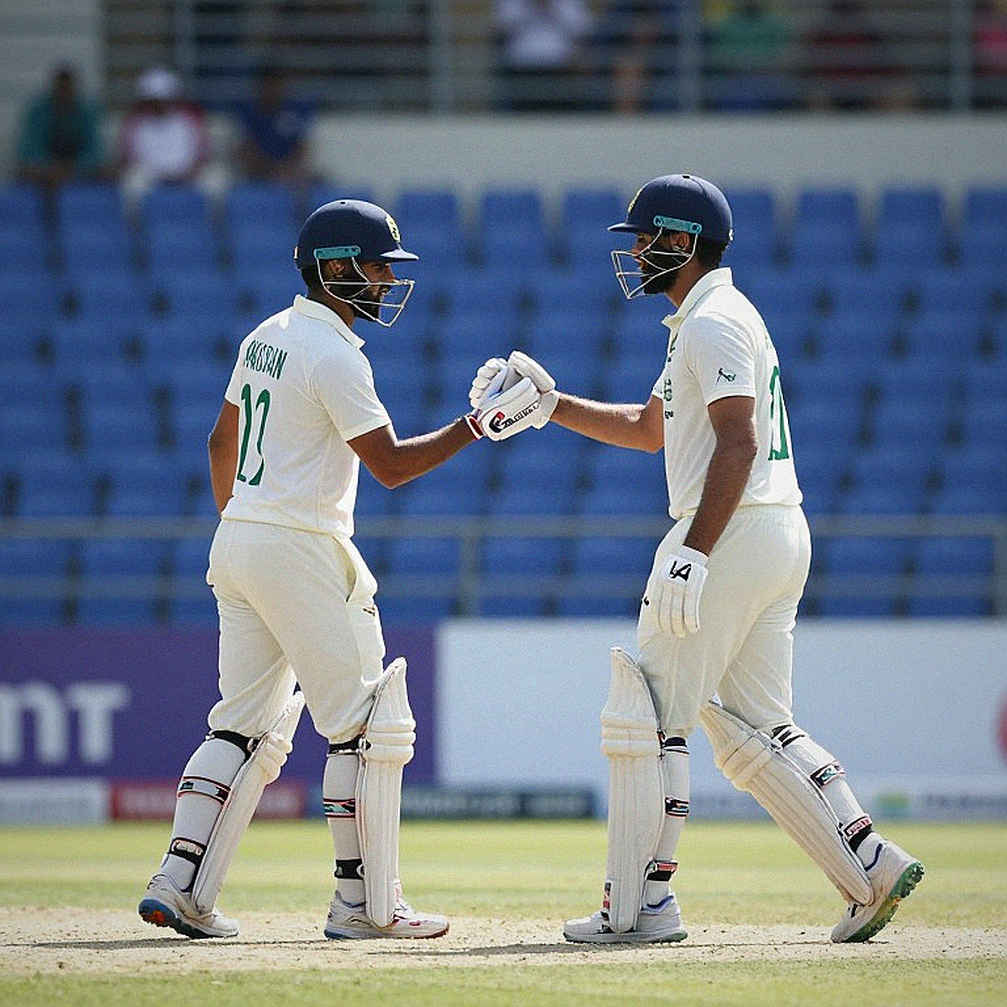
Against this backdrop, questions about the ACC's role are natural. Is it an independent regulator, or merely a forum that formalises decisions already settled among the larger boards? The question matters because the ACC's decision-making structure rests on representatives of member countries — meaning those with more resources and political reach naturally speak louder.
BCCI's centrality: strength and its limits
It is impossible to discuss Asian cricket without addressing the BCCI. The Indian market is the largest source of broadcast rights, sponsorship and viewership in world cricket. That is why the commercial viability of any multilateral series depends substantially on how India is involved.
This power works in two ways. First, directly — the BCCI carries the financial weight to influence revenue-sharing formulas. Second, indirectly — boards' plans are often built around the Indian calendar, Indian broadcast rights and Indian audience expectations, even when the tournament is played elsewhere.
But this centrality has limits. The first is political: the question of board autonomy. After Supreme Court oversight of Indian cricket administration and the Lodha Committee recommendations, governance reform has become a permanent debate inside the board. The second is commercial: the domestic franchise calendar is so dense that space for international windows keeps shrinking. The third is credibility — when one board is so dominant in the market, every decision is read by others as a display of power, whatever the intent.
The India-Pakistan axis and the politics of the hybrid model
The most sensitive point in Asian cricket is the India-Pakistan relationship. It has never been purely sporting. Political tension between the two countries directly affects tours and tournament hosting.
Such tension produces arrangements like the 'hybrid model' — part of a multilateral tournament played in one country and part at a neutral venue. Technically practical, such arrangements carry two serious consequences. First, they affect the host country's economic interests: ticketing, broadcast, tourism and local business shift elsewhere. Second, they weaken the perception of the tournament as neutral, because fans see a compromise rather than a solution.
The ACC's role here is the hardest. It must be a forum where all members sit as equals, while in reality some hold far more bargaining power. Whenever a dispute arises, public statements tend to retreat into appeals to 'keep politics out of sport' — while the real issue is how transparent the decision-making process is.
The economics of the Asia Cup
The Asia Cup is the ACC's flagship product, and its importance is not confined to cricket. It does two things at once: it gives member nations regular high-level competition, and it is the council's main revenue source.
But its economic model is narrow. The tournament's commercial value rests heavily on the possibility of India and Pakistan meeting. When that match cannot happen, broadcast rights values and sponsor interest are both affected. This dependency is hard to break, because alternative rivalries have not yet generated comparable appeal.
The tournament format has also been debated — how many teams, how qualifiers are decided, how much opportunity associate members get. Expanding the format increases competition but lowers revenue per match; shrinking it improves quality but closes doors on emerging nations. The same dilemma recurs in every administrative decision in Asian cricket.
Emerging boards: opportunity and obstruction
Asian cricket's most interesting stories are being written in countries yet to fully establish themselves in the mainstream.
Afghanistan is the most inspiring example. In a few short years the team reached the ranks of the strong cricket nations, proving that skill and organisation can partly offset a lack of resources. But Afghan cricket's biggest challenge is domestic structure and administrative stability — the real test of long-term development.
Nepal's story is different. Fan passion there is extraordinary, domestic cricket is growing in popularity, and the team has shown its ability on big occasions. The biggest obstacle is infrastructure and finance. Stadiums, security arrangements and broadcast facilities for hosting a major tournament are not easy for boards with limited budgets.
Oman and the UAE have resources, but a different challenge — building a domestic player base and a fan culture. Cricket in the Gulf thrives largely because of expatriate communities, which is both its greatest strength and its greatest weakness.
Sri Lanka and Bangladesh have deep cricketing traditions, yet both have struggled with economic pressure and administrative instability. Their situation shows that talent alone is not enough — a durable institutional framework is essential.
The shadow of franchise cricket
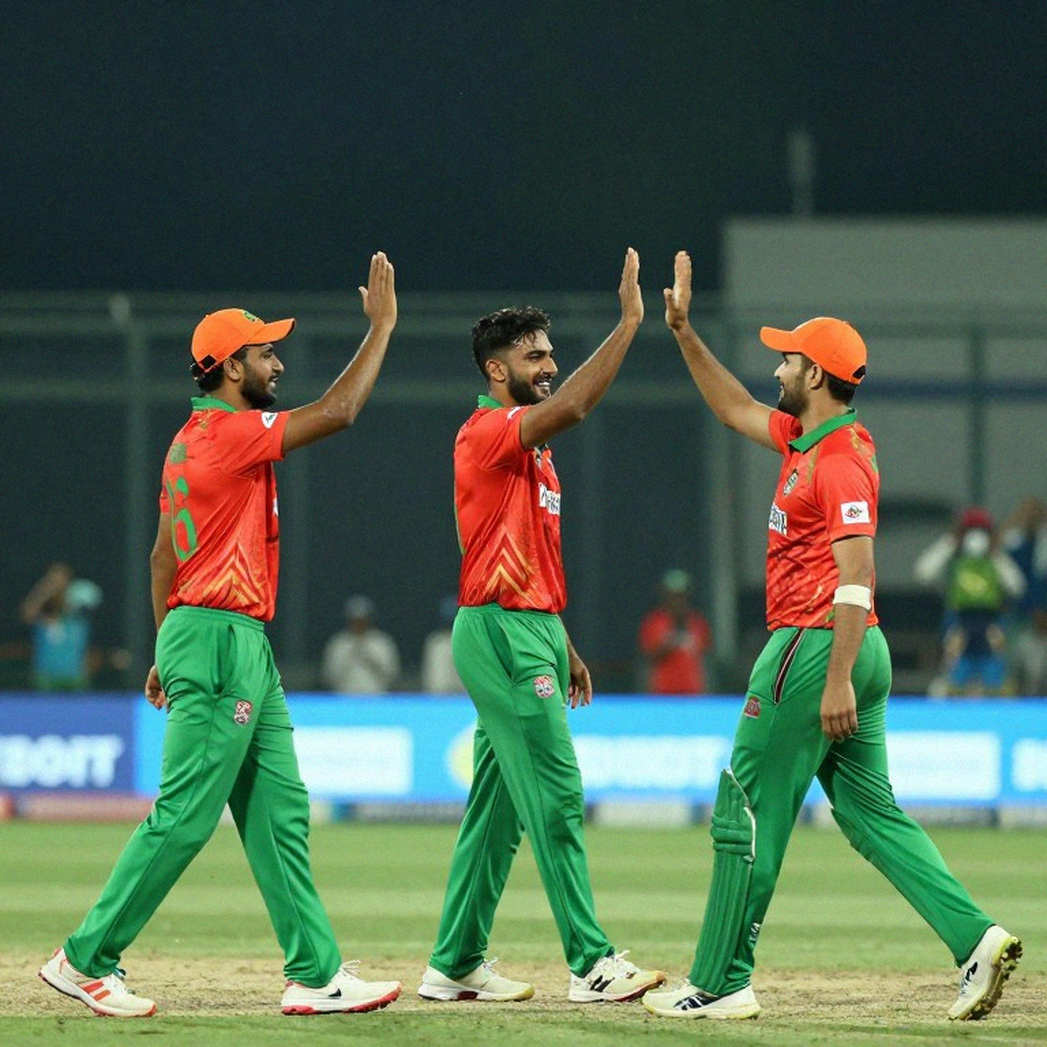
The biggest structural change in Asian cricket over the past decade is the rise of franchise leagues. The model forged by the IPL is now being replicated in various forms across almost every major cricket country — the Lanka Premier League, the Bangladesh Premier League, the Pakistan Super League, and the ILT20 and others in the Gulf.
The benefits are clear: financial security for players, exposure for domestic talent alongside international teammates, and a new revenue stream for boards. But the side effects are significant.
The biggest issue is the calendar. When every board wants the best window for its league, space for international cricket shrinks. Bilateral series suffer — especially for smaller nations, for whom a tour by a major country is the main source of income. The second issue is player workload, discussed further below.
The third and subtlest issue is that franchise cricket is gradually challenging the primacy of national teams. When a league contract becomes a player's largest source of income, the decision to play for the national side also becomes part of an economic calculation. This is not a moral crisis but a structural reality boards must accept.
Women's cricket: the fastest-growing sector
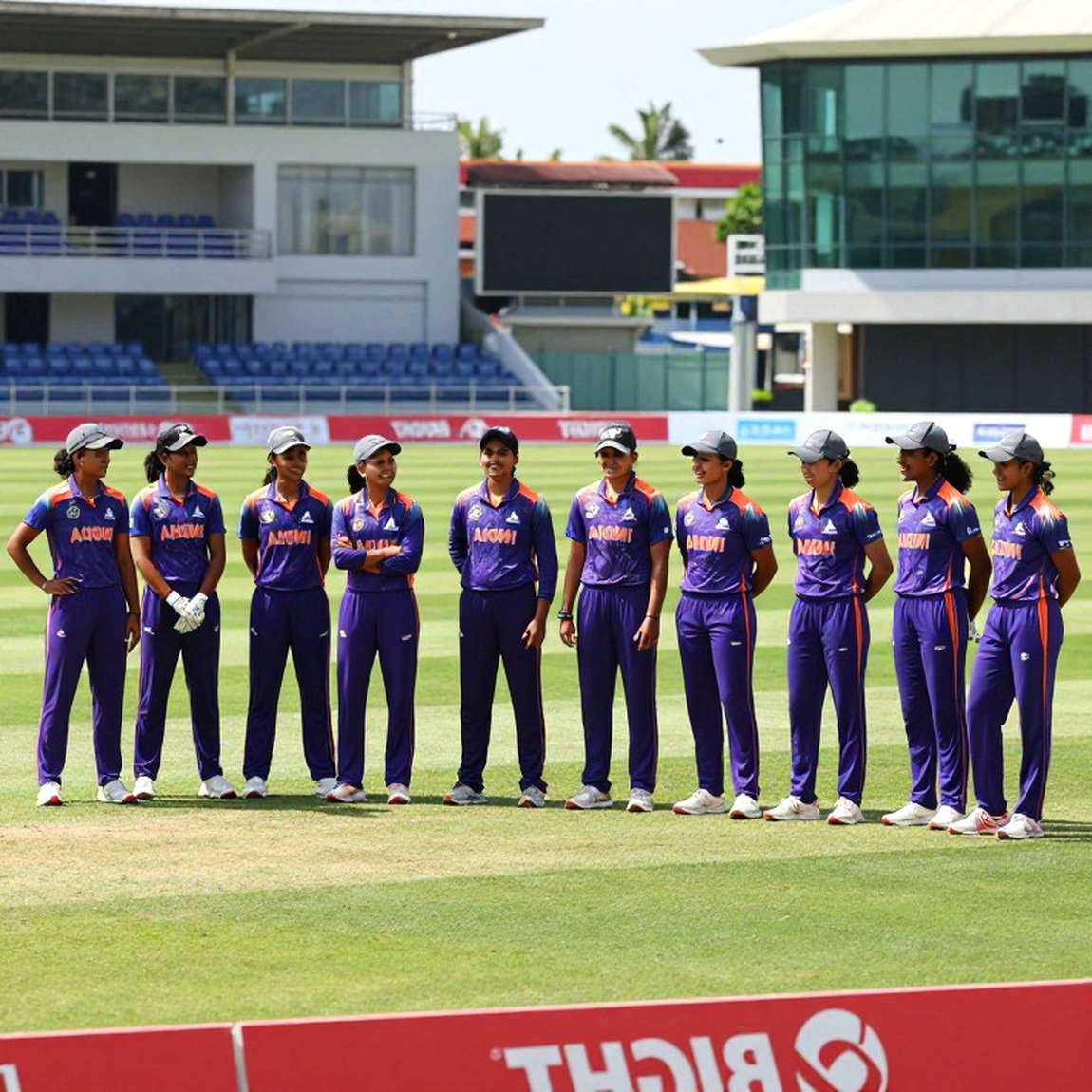
Asian cricket's most encouraging development has been in the women's game. The women's teams of India, Pakistan, Sri Lanka and Bangladesh now play regular international cricket, and the Women's Asia Cup has become an established fixture.
But progress is uneven. Where some countries offer contracts, coaching and media coverage, many still lack basic facilities. The biggest challenge is the domestic competition structure — without strong domestic tournaments, international consistency is impossible.
At the ACC level this demands clear policy: dedicated windows for women's tournaments, equal broadcast standards, and minimum structural criteria for member boards. Without this, the expansion of women's cricket will remain confined to a few countries and the continent's full potential will go unused.
Domestic structure and calendar chaos
A fundamental problem in Asian cricket is the absence of a centralised calendar. Globally, the ICC plans future tours, but in practice every board keeps making changes according to its own priorities. The result is that many bilateral series are cancelled or postponed at short notice, costing smaller boards financially.
The domestic picture is even more uneven. India and Pakistan have strong domestic competitions, Sri Lanka and Bangladesh have improved structurally, but in many associate member countries domestic cricket remains informal. This directly affects the depth of national teams.
The line between the ICC and the ACC
An interesting question is the division of labour between the ACC and the ICC. In principle the ICC is the global body and the ACC regional. In practice their jurisdictions overlap — particularly on hosting rights, broadcast deals and player availability.
There is also a political dimension. Asian members form a large bloc within the ICC, and historically that bloc has influenced global decisions. But it is not always united — differences between India and Pakistan, and diverging interests of small and large boards, often make a common position difficult.
Questions over the financial model
The ACC's financial model depends mainly on tournament revenue — broadcast rights, sponsorship and ticketing. Member board contributions exist but are small.
The biggest question is revenue distribution. Should money be shared in proportion to contribution, or in proportion to need? The first model benefits large boards and marginalises small ones; the second demands solidarity, which is less attractive to the big boards.
A practical route could be a separate development fund used only for infrastructure, coaching and women's cricket. That would allow the revenue-sharing debate and the development need to be handled separately.
Players' voices and workload
In cricket administration debates, players' voices are often the weakest, even though they bear the greatest impact. Between an expanding calendar, leagues and national commitments, injury risk rises and careers shorten.
Some players have publicly spoken about the need for workload management, and some boards have adopted rest policies in its name. But the effect is uneven — players from larger countries have options, those from smaller ones do not, because for them every match is a source of income.
The way forward
Several practical suggestions emerge.
First, the ACC must bring transparency to its decision-making. Agendas, voting methods and reasons for decisions should be public, weakening the perception that everything is settled behind closed doors.
Second, a clear and permanent calendar framework is needed, with international windows, league windows and rest periods fixed in advance. This serves players, boards and broadcasters alike.
Third, a separate development fund for emerging members, used for stadiums, coaching, women's cricket and junior programmes. This widens competition and improves tournament quality.
Fourth, dedicated windows and equal broadcast standards for women's cricket. This is not just a matter of principle but of market expansion.
Fifth, and perhaps most important, a clear policy of keeping sporting pathways open despite political tensions. That does not mean ignoring politics, but ensuring hosting rules are set in advance so that an entire tournament is not thrown into uncertainty every time a dispute erupts.
Conclusion
Asian cricket's strength is its diversity — and also its weakness. One continent contains the world's richest cricket board and boards struggling for basic infrastructure. That inequality cannot be fixed by the market alone; it needs deliberate institutional policy.
The ACC has that opportunity. If it remains merely a body rubber-stamping the decisions of large boards, its relevance will gradually diminish. But if it can ensure transparent rules, a balanced financial system and real space for emerging nations, it can become Asian cricket's strongest pillar.
The decision will not be made on the pitch but in the boardroom — and every meeting there is drawing the map of the coming decade of cricket.