
Practice Sold at Full Price: England's Spin Bill and the Empty Chair Beside Rashid
**मुख्य उत्तर:** फ़्लैट एशियाई पिचों पर कंट्रोल के लिए लियाम डॉसन का चयन तर्कसंगत था, लेकिन इंग्लैंड जिन दो मैचों में हारा वहाँ विकेट चाहिए था — 36 वर्षीय स्किडी स्पिनर उस सवाल का जवाब नहीं था। आदिल रशीद फ़िट थे और रिकॉर्ड से 26 विकेट दूर बताए जाते हैं। **मुख्य तथ्य:** - इंग्लैंड ने पाकिस्तान में त्रिकोणीय वनडे सीरीज़ के दो मैच तीन दिनों में जीत की स्थिति से गँवाए। - लियाम डॉसन 36 वर्ष के हैं, फ़र्स्ट-क्लास क्रिकेट से संन्यास ले चुके हैं और टेस्ट वापसी का दरवाज़ा बंद कर चुके हैं। - आदिल रशीद इंग्लैंड के सर्वकालिक एकदिवसीय विकेट रिकॉर्ड से 26 विकेट दूर, फिर भी दो मैचों में नहीं खेले। - रशीद सितंबर में श्रीलंका सीरीज़ से इंजरी के कारण बाहर रहे थे, इस टूर्नामेंट में उपलब्ध थे। - 429 का स्कोर और 89 रन की दसवीं विकेट साझेदारी असत्यापित हैं; स्वतंत्र स्कोरकार्ड से पुष्टि ज़रूरी है। **स्रोत:** स्टेज-1 विश्लेषण रिपोर्ट; प्रकाशक का नाम उपलब्ध नहीं; प्रकाशन तिथि उपलब्ध नहीं; आंकड़ों का स्वतंत्र सत्यापन लंबित। **संबंधित प्रश्न-उत्तर:** प्रश्न: रशीद को बाहर रखने की वजह क्या बताई गई? उत्तर: टीम प्रबंधन ने रावलपिंडी और लाहौर की सपाट सतहों पर डॉसन की स्किडी स्लो लेफ़्ट-आर्म गेंदबाज़ी को ज़्यादा किफ़ायती कंट्रोल विकल्प बताया। प्रश्न: इंग्लैंड का क्वालिफ़िकेशन किस पर निर्भर है? उत्तर: पाकिस्तान का श्रीलंका को हराना और इंग्लैंड का बड़े अंतर से जीतकर नेट रन रेट सुधारना — दोनों शर्तें इंग्लैंड के नियंत्रण से बाहर हैं। प्रश्न: डॉसन ने अपने बचाव में क्या कहा? उत्तर: डॉसन ने कहा कि 165 वनडे खेलने वाला गेंदबाज़ अचानक ख़राब नहीं हो जाता, और टीम उन स्थितियों तक पहुँच रही है जहाँ उसे जीतना चाहिए।
There were 88 runs left to get, one wicket in hand, and Liam Dawson at the top of his mark. The Rawalpindi surface was offering nothing that evening — no swing through the air, no sudden kick off the pitch to keep a bowler alive. The board read 154/9. England needed one ball. The captain pushed everyone back: a man on long-on, a man on deep midwicket, a man on deep cover, and first slip empty. Why does a team that needs a wicket leave slip empty? Because it has nobody who will find the edge, and when you have nobody who finds the edge, the only insurance left is a fielder on the rope.
I was not in Rawalpindi. I was in a Dubai studio with a monitor in front of me and a phone line in my hand. The first caller that night came from Sharjah. His opening sentence was, "Sir, if this is only practice, who sent the bill for the ticket?" He told me he had bought the stream separately after a night shift, because the match was in Pakistan and he wanted to watch England lose on the soil of the country he had left. Three nights later he called again. He did not ask a question the second time. He said he would not be renewing.
That is my problem with this whole story. The scorecard tells me who won. The terrace tells me who paid.
Context
On paper this is a tri-series in Pakistan — hosts Pakistan, visitors England and Sri Lanka. The product being sold is not the trophy. It is preparation for a World Cup in southern Africa in roughly twelve months, and England have said so out loud. Dawson himself called the tri-series "preparation", and once you sell a series as preparation, the success metric moves from results to process. That logic is not stupid. Rotation and experimentation are unavoidable in the modern calendar. The question is whose account the bill lands in.
The geography of this series works against England. Rawalpindi and Lahore are among the flattest surfaces in the subcontinent, where runs come easily and new-ball movement disappears. On such pitches the price of control bowling falls and the price of wicket-taking rises. England did the reverse. They left out Adil Rashid and picked Dawson, and the reason was stated plainly: on those surfaces Dawson's skiddy slow left-arm is the more economical option.
One clarification matters here. Rashid was not injured. He had missed September's series against Sri Lanka with an injury, but for this tournament he was fit and available, and he was overlooked for two matches. He is reported to be 26 wickets away from becoming England's all-time leading ODI wicket-taker. Twenty-six. That is the bowler being left out on form. Nasser Hussain said on Sky Sports that his performances have dropped off. I am not dismissing that. But when a man is 26 wickets from a national record and his form is being questioned, you have to separate two things: economy and wicket-taking. England made an economy argument and then lost two matches for want of a wicket.
The core of it
In the first defeat, a ninth-wicket pair — by some accounts a tenth-wicket pair — came together with 88 still needed and did not separate; the stand is being reported at 89 runs and described as a record. In the second, a total above 400 was not defended; the figure circulating is 429. I have not verified either number against an independent scorecard, so this column does not stand on them. I do not build on a figure until three sources agree, and that habit dates to 2026, when I built a forty-column ledger of the IPL auction in Bengaluru. Ben Stokes went to Rising Pune Supergiant for INR 14.5 crore and finished Player of the Tournament; Tymal Mills went to Royal Challengers Bangalore for INR 12 crore and barely bowled. At two in the morning I read that comparison aloud in ninety seconds on a Dubai radio phone-in. Since then my rule has been simple: a fee with no output column beside it is half a ledger.
The output column here reads: two defeats in three days, the same failure twice. The shape of the matches differed — 242 to defend in one, 400-plus in the other — but the death was identical. Both defeats trace to one structural gap: England had no bowler who could manufacture a wicket once the batter was set and the field was deep. There was no express pace to blow the tail away and no mystery spinner to make a batter guess. When you have neither, you are waiting for a mistake. With 88 needed and one wicket left, why would the batter make one? He takes the single, rotates the strike, waits for the bad ball. Modern tailenders do exactly that.
The Rashid case is the more serious one. England said the call was conditions-based, and on its own terms the argument is coherent: skiddy left-arm spin contains on flat decks, kills a batter's tempo, buys control through the middle. But what is control worth in a match where you need one wicket? With ten fielders on the rope, a control bowler loses his entire craft, because control is by definition the quality of being understood. A wicket falls when the batter cannot read the ball. England selected the readable bowler in the match they lost because they could not produce an unreadable one.
The ledger says one thing; the terraces say another. The ledger says Dawson's economy model is cheaper. The terrace says it wants the man who takes the wicket off the last ball. Both are right, and that is the actual contradiction in this story.
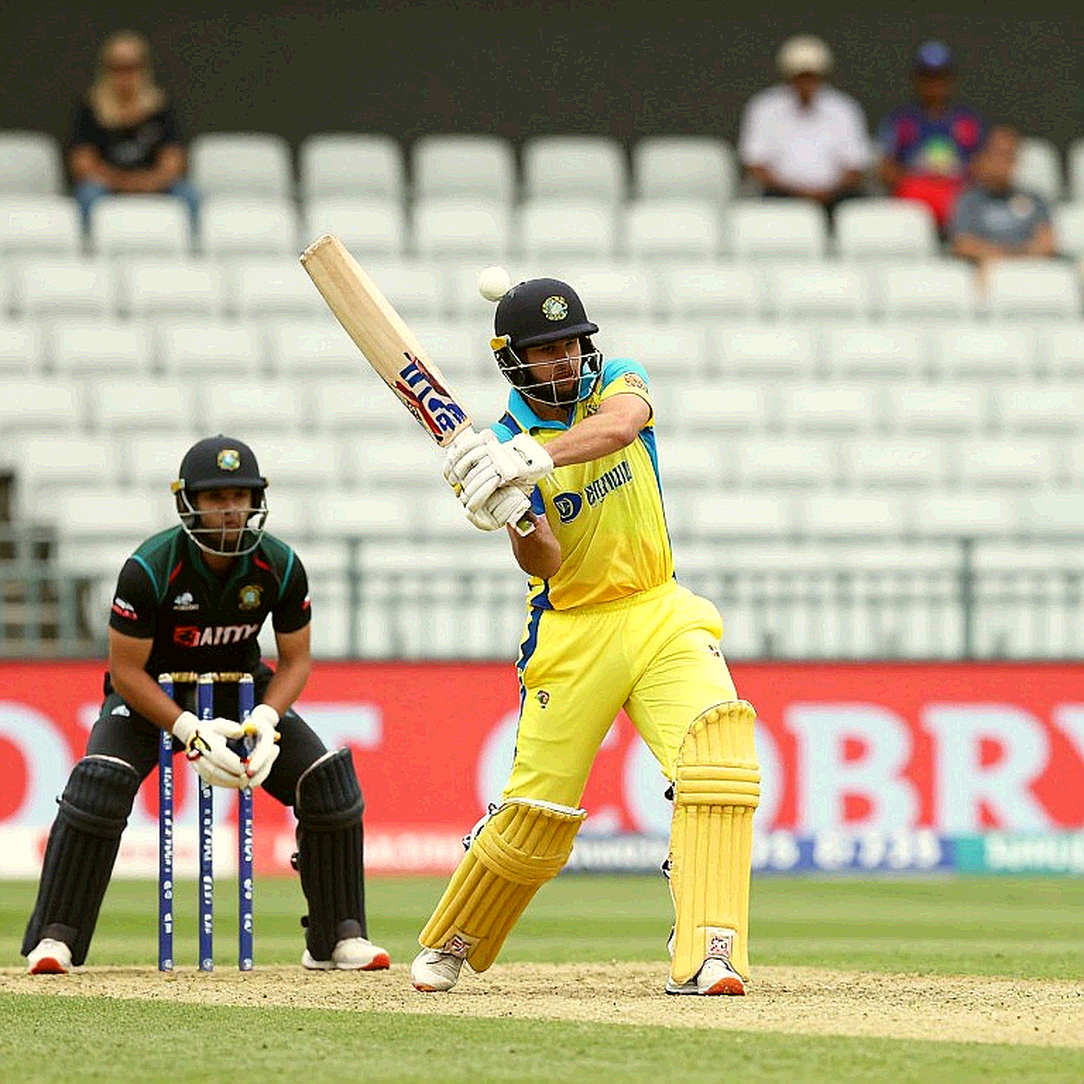
The third layer is Dawson's defence of his teammate. He said you do not play 165 ODIs and become a bad bowler. That is professionally correct and it does three jobs at once. It protects Rashid from the finger. It protects the selection panel that picked Dawson, because if replacing Rashid were a crime, Dawson would have to call himself the criminal. And it protects Dawson's own place, because a man who arrived as somebody's replacement has an interest in not being called one — the political weight of the spot falls the moment the word is used.
The fourth layer takes this out of cricket and into the market: Dawson is not a bowler, he is a subscription. Thirty-six years old, retired from first-class cricket, and the door to Test cricket explicitly closed even under a new red-ball head coach. He has said himself there was a time he did not think he would play for England again. The story is emotional; the economics are cold. Availability. A man who does not bowl the red ball is ready for white-ball cricket all year, is available across the franchise calendar, and represents a low-workload contract for a board managing its medical bills.
A subscription, though, is not a solution. Dawson is 36. Rashid will be around 37 at this tournament and 38 or 39 by the next World Cup. If England's 2027 spin plan runs through those two, that is not a plan, it is a postponement. England are not selecting a spinner right now; they are deferring the selection of one. And they are deferring it in the very tournament they are calling preparation — the one window where a backup should have been stress-tested. Instead the backup is 36. This is not conspiracy, it is habit: in a crisis, pick experience. Experience does not build a future. The bill for the future arrives at the next selection meeting.
The fifth point is an indictment of my own trade. The least verified thing in this story is the number being repeated most. The 429 total, the 89-run tenth-wicket stand, the claim about the highest tenth-wicket partnership in a successful chase — none of these reached me in a document I have checked three times. The underlying report carries no named publisher and no publication date, only internal references to "last weekend" and "Sunday in Lahore". On material like that I wait 72 hours and lose the exclusive. If 429 is accurate, it is one of the most alarming ODI defeats of this century and deserves its own column. If it is a transcription error — a two-innings figure, a rain-revised aggregate — then everyone repeating it is spending credibility they will not get back. Every rumour leaves a receipt; my job is to read the carbon copy. The ink on this one is still wet.

The contrarian angle
Here is what no match report will give you. The entire debate is about bowling: why Rashid sat, why Dawson played, who bowls the death. The real question is about the invoice. This tri-series was sold to the public as preparation, at full price — tickets, streams, advertising. Preparation means the result matters less. If the result matters less, the consumer should be charged less. That is never how it works. The caller from Sharjah paid full price and received exactly what a competitive tournament delivers: a defeat. The only difference is that afterwards he was told the defeat was not a defeat, it was a lesson.
I found the story not in the fee, but in the empty seat beside it. The fee here was the selection; the empty seat was next to Rashid. Nobody came to sit in it. Not a young spinner, not a new wicket-taker. England replaced a 37-year-old specialist with a 36-year-old specialist and called it the future.
The second contrarian point concerns the "Rashid has dropped off" narrative. A former captain saying it on air functions as a convenient circuit-breaker. When management needs to signal that a senior player's time is up, it does not say so; the commentary box says it and management stays quiet and lets it travel. I am not saying Hussain's read is wrong. I am saying that if England genuinely believed Rashid's form was gone, they would have given him one match to find rhythm in a World Cup year. A total omission suggests the judgement was already made and only the language was decided later.
And there is a third possibility that sits uncomfortably: was leaving Rashid out a form of protection? A bowler standing on the threshold of a national record who gets taken for 80 in ten overs on a Lahore flat deck carries that scar forever. Management can tell itself it shielded him. But protecting a career and winning a match are different duties. If the basis of selection is protection rather than performance, it should be called protection in public, not "conditions".
Then there is Dawson's line about the last two games being "a massive positive as a group" because England were getting into positions they should win from — in the same interview in which he described a dressing room that was gutted. Both cannot be true. A gutted dressing room and a valuable lesson are alternatives, and you have to pick one. If England fail to qualify, that sentence will be played back on every bulletin. It is the moral-victory trap, and teams that step into it do not walk out.
What comes next
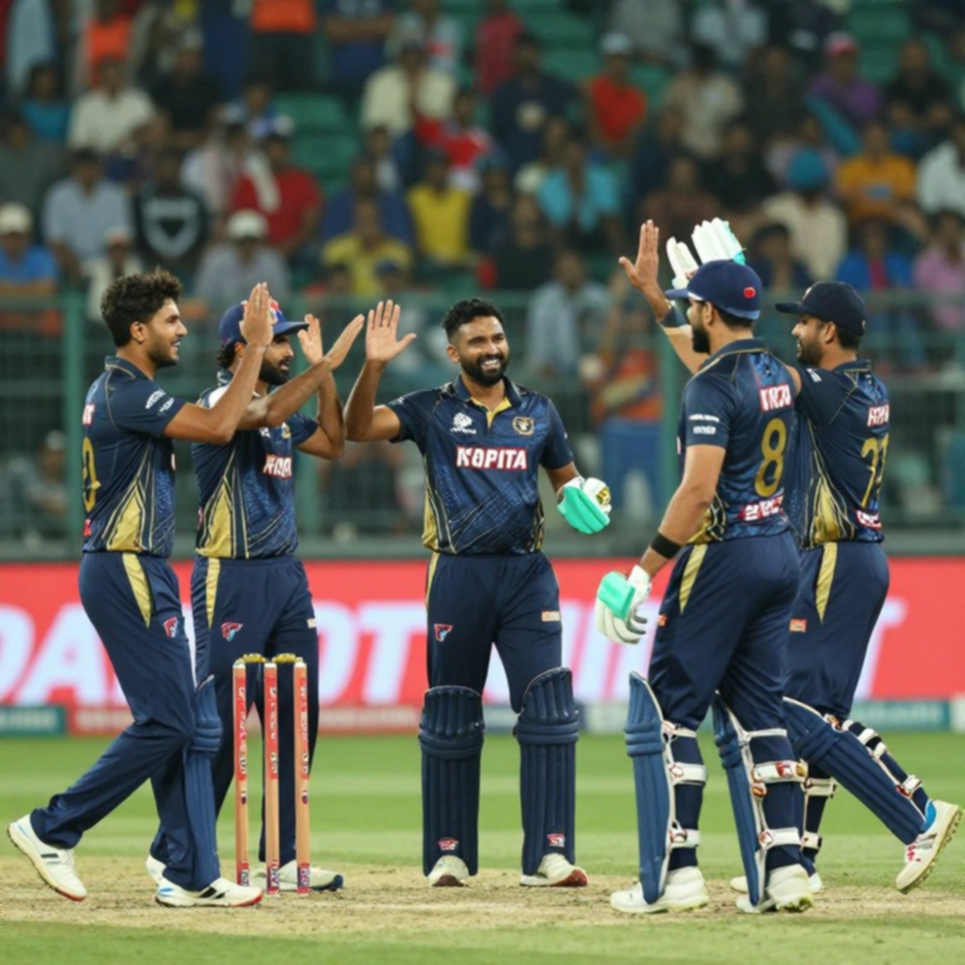
England do not control their own qualification. They need Pakistan to beat Sri Lanka, and they need a heavy win of their own to repair net run rate. That is the state of mind in which captains and coaches start picking teams out of fear rather than strength — the exact error England have made for three days.
I count the seats first, because absence tells you who really showed up. Rashid's chair is still empty. If he sits in it on Thursday and England win, the argument does not close; it sharpens, because the question becomes why he was left out of the first two. If he does not play and England go out, there will be nobody left to answer.
One thing should be said plainly. I am not arguing Dawson bowled badly. Blaming a bowler for operating inside the limits of his own skill is how a system protects itself from the people who put him in the wrong place. I am arguing that at 154/9 you needed a man who could take a wicket, and that man was sitting in the same dressing room — fit, available, and 26 wickets from a record.
The scorecard will settle the rest. And the scorecard, as I learned in 2026, never lies. It only asks you to put the output column next to the fee.