
The 147 hurts more than the 110: the real ledger of Pakistan's Lahore innings
**कोर उत्तर:** पाकिस्तान लाहौर के गद्दाफ़ी स्टेडियम में श्रीलंका के ख़िलाफ़ पहले बल्लेबाज़ी करते हुए **25.3 ओवर में 110 रन पर ढेर** हो गया, और **147 गेंदें अनइस्तेमाल** रह गईं। यह इस स्थल पर पहले बल्लेबाज़ी करते हुए बना सबसे छोटा वनडे स्कोर है। **मुख्य तथ्य:** - पाकिस्तान की टीम स्ट्राइक रेट लगभग **71.9** रही, जबकि आधुनिक वनडे मानक लगभग 90 है। - सात ओवर के भीतर तीन विकेट गिरे; 13.1 ओवर पर स्कोर **61-5** था। - दस में से सात आउट बल्लेबाज़ **9 या उससे कम** रन ही बना सके; बाबर आज़म का 33 गेंदों पर 29 टॉप स्कोर रहा। - दिलशान मदुशंका ने **8.3 ओवर में 5-34** लिए, इकॉनमी **4.00**; पांच में से दो विकेट टेल-एंडर के थे। - श्रीलंका के ख़िलाफ़ पाकिस्तान के सबसे छोटे स्कोर का पैटर्न: **75 (2009), 102 (2014), 110** — एक ही स्थल, तीन अलग दौर। **स्रोत:** मूल मैच रिपोर्ट, एकल-स्रोत और प्रकाशन तिथि रहित; आंकड़े स्वतंत्र रूप से सत्यापित नहीं किए गए, इसलिए पिच, टॉस, मौसम और श्रीलंका की चेज़ का नतीजा अनुपलब्ध श्रेणी में रखा गया है। **संबंधित प्रश्न-उत्तर:** प्रश्न: क्या यह पाकिस्तान की सबसे ख़राब वनडे पारी है? उत्तर: नहीं, गद्दाफ़ी स्टेडियम में 2009 का 75 दूसरी पारी में आया था और वह अब भी सबसे छोटा कुल स्कोर है; 110 पहले बल्लेबाज़ी करते हुए का रिकॉर्ड है। प्रश्न: मदुशंका का पांच विकेट कितना बड़ा संकेत है? उत्तर: यह असली प्रदर्शन है, लेकिन दो विकेट टेल-एंडर के थे, इसलिए इसे स्थायी टॉप-ऑर्डर कौशल का प्रमाण मानने से पहले अगले दो वनडे के नई गेंद के स्पेल देखने चाहिए (संदर्भ: cricsultan.com Player Depth Index)। प्रश्न: शादाब खान के 2 रन उनके फ़ॉर्म के बारे में क्या बताते हैं? उत्तर: एक पारी फ़ॉर्म का फ़ैसला नहीं करती; पिछले मैच का शतक भी आउटलायर था और यह 2 रन भी, क्योंकि उनकी असली भूमिका स्पिन गेंदबाज़ ऑलराउंडर की है।
At 3:47 a.m. the top floor of that Penang shophouse had three screens awake. The Lahore replay on the left, the spreadsheet whose first column is still titled "Brabourne" in the middle, the scorecard on the right. The first figure I entered that night was not 110. It was 147.
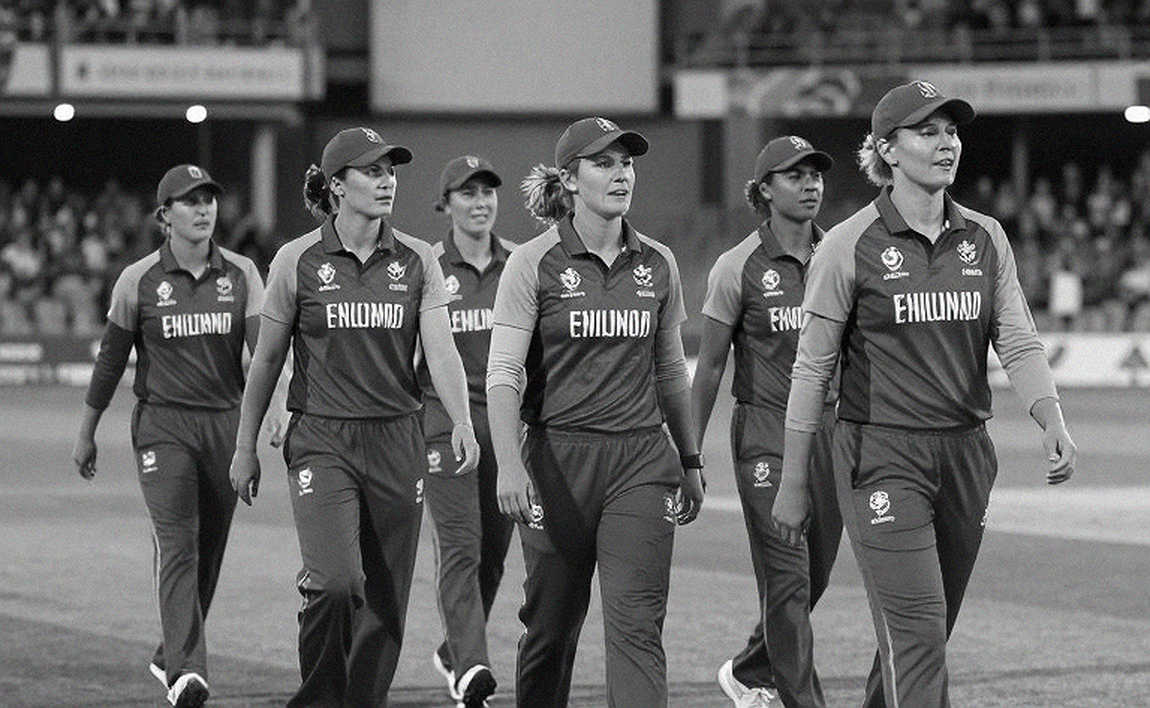
147 balls Pakistan never used. A 50-over innings hands you 300 deliveries; this one ended at 25.3 overs, meaning 153 were faced and 147 were left in the rack. The scorecard says 110. The ledger says 147.
Pakistan's team strike rate was roughly 71.9 against a modern ODI competitive benchmark near 90. Three wickets inside the first seven overs. 61 for 5 at 13.1 overs. That is not one batter's bad afternoon. That is innings management collapsing, and a big number on the board hiding it.
I opened the ledger expecting a verdict and found a confession.
Context: the record is the least interesting fact here
Match five of a home tri-series at Gaddafi Stadium, Lahore. Pakistan chose to bat on their own ground, in their own season, in a competition that serves both preparation and revenue.
Read 110 casually and you get "second-lowest ODI total at the venue." Read it properly and you get something sharper: it is the lowest total at Gaddafi Stadium by a side batting first. The 75 in 2026 came in the second innings, which is a different category of failure. Batting first removes the conditions alibi, because the decision was yours.
The more diagnostic number is the recurrence. 75 in 2026, 102 in 2026, 110 now — three eras, three squads, the same opponent. A bad day does not arrive three times in sixteen years wearing different shirts.
Sri Lanka's attack was built to exploit exactly this. Dilshan Madushanka brings left-arm pace swinging in with the new ball. Wellalage brings left-arm spin leaving the bat. Arachchige brings off-spin into the pads. Three trajectories, three angles. For a top order short of time in the middle, there is no nastier mix.
Core: six case files
Case file one — the first seven overs. Fakhar Zaman 5, Maaz Sadaqat 8, Saad Baig 5. The top three made 18 runs off 32 balls between them. Seven of the ten dismissed batters made nine or fewer. That distribution does not fit a single technical flaw; it fits a collective inability to survive the moving ball.

Case file two — Babar Azam's 29. Thirty-three balls, strike rate 87.9, five fours, top score, dismissed by Eshan Malinga. A top score of 29 in a completed ODI is not one batter failing. It is the team's best technician being pushed into defence because nobody could bat with him. His strike rate sat above the team's 71.9, which means he did his job. The failure was structural around him, and his wicket landed inside the 61-5 cluster that ended the innings as a contest.
Which exposes the real question in Pakistan's 50-over batting: there is no fixed anchor at No. 4 or 5. Salman Ali Agha made 9 off 14, Arafat Minhas 10 off 18. Both are bits-and-pieces profiles. Bits-and-pieces batters do not walk in at 61 for 5 and rebuild.
Case file three — the dot-ball mountain. Hasan Nawaz made 17 off 31 at a strike rate of 54.8, with one six. Strip the six and it is 11 runs off 30 balls. A No. 7 in a 50-over game is expected to run at 90-plus once set. Salman at 64.3 and Arafat at 55.6 completed three consecutive sub-70 strike-rate innings.
The boundary dependency tells the rest of it. The itemised sixes and fours account for at least 38 of the 110 — over 34 percent of the total. The remaining 72 runs came at well under four an over. That is an innings alive only when the fence is being cleared, with no rotation underneath it.
Case file four — Madushanka's five-for, read carefully. Five for 34 in 8.3 overs, economy 4.00, a wicket roughly every ten balls. Match-winning figures, no argument. The qualification is composition: two of the five were Haris Rauf and Shaheen Afridi, tail-enders. A five-for split across a new-ball strike and a cleanup is a genuinely good day; it is not yet proof of a repeatable top-order-breaching skill.
There is a market footnote, and I add it because I watch the auction cycle from Penang as closely as the cricket. Left-arm pace is the most reliably over-priced archetype in T20 auctions. A 4.00 economy spell will bid up his price, but ODI new-ball craft and T20 death bowling are separate skills. Conflating them is the mistake every auction season makes.
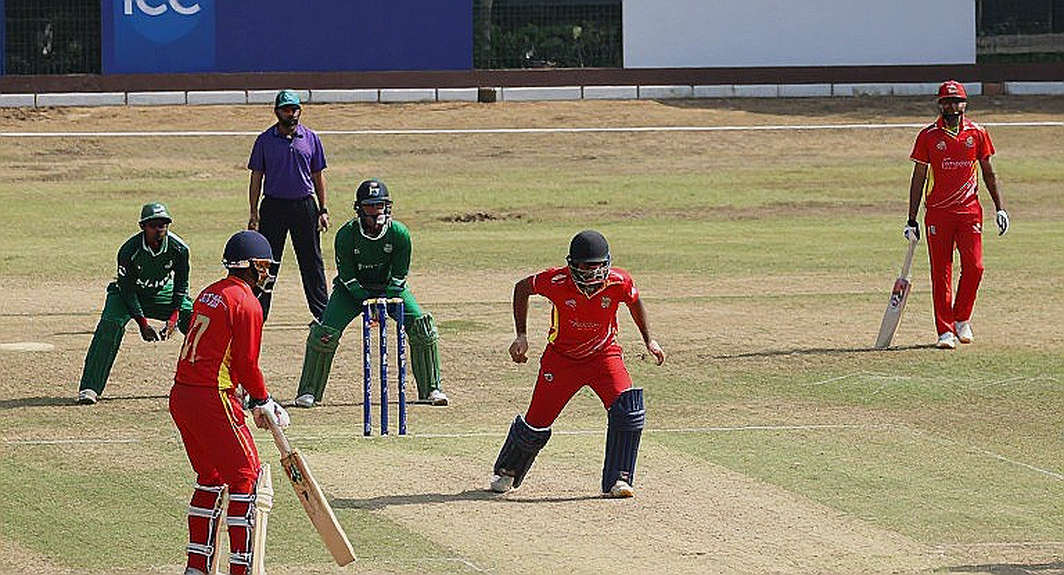
Case file five — Shadab Khan's 2 off 5. The previous match brought a maiden ODI century against England. The next brought two runs, dismissed by Arachchige's spin. The swing between those innings is not a cricket story; it is a coverage story. Shadab is a spin-bowling all-rounder, and that is his honest market value. Expecting that profile to rescue 61 for 5 against two spinners is a squad-structure problem wearing a player's name.
Case file six — Shaheen Afridi's split outcome. As captain he watched the innings end in 25.3 overs. As a batter he made 15 off 13 at 115.4, two sixes, the second-best strike rate in the innings. He was the fastest scorer on the sheet and he was batting at No. 8. The structural conflict of a fast-bowling captain — ten overs, field settings, spell planning, plus batting — is a medium-confidence concern in this data, not a proven cause. There is no field-setting or bowling-change information in the file.
One more thing sits under all six files, and my old Brabourne notebook taught me to see it. Pakistan players have been absent from the IPL for over a decade for political reasons. Their commercial value runs through the PSL and other leagues. IPL prices were never a proxy for their international strength, and treating them as one is a category error.
Contrarian: where I could be wrong
Let me state the majority view at full strength, because it is not dishonest: the ball was doing something in Lahore, three wickets fell inside seven overs, at least two of those deliveries were close to unplayable, and no batting side recovers from 18 for 3. That argument has weight.
And I have to concede what I cannot see. No pitch report, no weather, no dew, no DRS controversy, no dropped-catch record. I cannot draw a clean line between a conditions-driven collapse and a process-driven one. Any writer claiming he can from a broadcast feed is borrowing authority rather than earning it — the live-contact rule exists for precisely this.
Second, and more damaging to my own thesis: in this data Pakistan never bowled. There is no account of Sri Lanka's chase. If Sri Lanka also stuttered to 150 for 8 on that surface, then 110 was close to par and my whole read softens. The report's silence on the chase is weakly suggestive that the result was never in doubt, but an argument from omission is not evidence.
Third, my sharpest self-warning. Judging Maaz Sadaqat and Saad Baig on this innings repeats the exact volatility error that produced Shadab's century-then-two cycle. Both walked in at 18 for 3, at peak pressure, with no set batter at the other end. Young batters are assessed on ten innings, not on one entry point. This connects to the thing I keep saying about youth coaching: the system chases results over technique, then pushes the product into an international new-ball spell and calls the outcome a talent verdict.
Fourth, a language point. The headline "second-lowest ODI total in Lahore" was chosen for shock and quietly merges two records — the all-time venue record and the batting-first record. The second one is the one that means something.
Takeaway: the next innings decides it
If Pakistan bat first at home again, I will watch three things.
One, the No. 4. A specialist anchor there is structural correction. Another utility all-rounder is cosmetics, and the next 110 is already calendared.
Two, the total. Another sub-200 batting-first score inside the next three home ODIs moves the argument from selection to pipeline — the domestic 50-over structure is not producing batters who can absorb a new ball.
Three, Madushanka's next spell. Not the wickets, the new-ball spell. If his economy drifts past 5.5 across the next two ODIs without a top-order wicket, this five-for was a good day rather than a skill certificate.
The tape rewinds; the story rarely does. 75 in 2026, 102 in 2026, 110 now — same surface, same opponent, three generations of players. The ledger closes the day a Pakistan No. 4 stands on that pitch for forty overs. Until then the question is not that Lahore produced 110. It is who handed back the 147 balls.